India's New Labour Laws: A Big Deal for Gig and Contract Workers
India's new labor codes protect gig workers: one-year gratuity, 8-12 hour workdays, double overtime pay, portable benefits, and strict wage timelines for delivery and ride-sharing sectors.
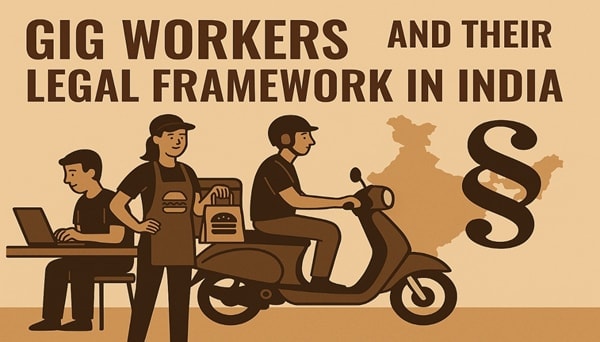
India has made the biggest changes to its labor laws in more than 70 years. Four new labor codes went into effect on November 21, 2025. They combined 29 old colonial-era laws and changed the way gig and contract workers are protected in a big way. For the first time, delivery partners, ride-hailing drivers, and freelancers are now legally recognized and have access to social security.
Protections for Specific Sectors
The changes directly affect three fast-growing gig sectors. Food delivery apps like Zomato and Swiggy, ride-sharing apps like Ola and Uber, and freelance digital workers now all work within a set of rules. Zomato, Swiggy, Ola, Uber, Blinkit, and Zepto are examples of aggregators that must pay between 1% and 2% of their annual revenue to a social security fund. This fund pays for accident insurance, health care, and maternity benefits for millions of workers.
Revolutionary Benefits: One-Year Gratuity
The most striking change affects all contract workers. Employees are now eligible for gratuity after just one year of service, instead of five. This benefit, previously accessible only to long-serving permanent employees, now applies equally to fixed-term workers, meaning a delivery rider or contract driver becomes eligible for a lump-sum benefit after twelve months.
Protecting Work-Life Balance
The new codes set strict limits on working hours to protect workers' health. The most hours you can work in a day are 8 to 12, and the most hours you can work in a week are 48. Most importantly, workers must agree to work extra hours and be paid at least twice their normal wage. Workers can also choose to take compensatory leave instead of getting paid for overtime, which gives them real freedom.
Workers will also have access to things like canteens, drinking water, and places to rest. They will also have to take a break every week to make sure they have a better work-life balance.
Guarantees of timely wages
Now, strict rules are in place for when wages must be paid: daily at the end of the shift, weekly before holidays, biweekly within two days, and monthly within seven days. This stops gig workers from having their pay stolen and having to wait for no reason.
Benefits That Work on All Platforms
Gig workers often use more than one platform or move between them a lot. With Aadhaar-linked e-Shram registration, benefits are now portable, so they can always access them as long as their registration is active.
Ways to Fix Problems
For the first time, the government may set up toll-free helplines, call centres, or facilitation centres to deal with worker complaints and make sure they get help quickly. This will give gig workers access to structured ways to settle disputes that they didn't have before.
References
1. Press Information Bureau, Government of India. (2025, November 19). India’s labour reforms: simplification, security, and sustainable growth [press release]. Ministry of Labour and Employment. https://www.pib.gov.in
2. Reuters. (2025, November 21). India announces implementation of new codes to reform labour laws. Reuters. https://www.reuters.com
3. DD News. (2025, November 20). Four labour codes come into force from today, reforming 29 existing laws. Prasar Bharati. https://ddnews.gov.in
4. Gig and platform workers, aggregators’ 1–2% contribution
5. Ministry of Labour and Employment. (2020). Social security fund for gig workers (Unstarred Question No. 3942, Answered in Lok Sabha). Government of India. https://sansad.in/getFile/annex/259/AU3942.pdf
6. Press Information Bureau, Government of India. (2025, November 19). Labour reforms: Formalising and safeguarding India’s gig & platform workforce [Press release]. Ministry of Labour and Employment. https://www.pib.gov.in
7. Moneycontrol News. (2025, November 21). Now, Swiggy, Urban Company, Uber and other aggregators must contribute 1–2% of their annual turnover for gig workers’ welfare. Moneycontrol. https://www.moneycontrol.com
8..EY India. (2025, November). New labour codes implemented across the country (EY Alert). EY. https://www.ey.com
9. Recognition and social security of gig workers
10. India Today. (2025, November 21). From gratuity to gig worker insurance: What new labour laws mean for you. India Today. https://www.indiatoday.in