Moving from Theory to Real-World Competence: Preparing Future Managers for Human-Centric Marketing
In my MBA marketing class at Woxsen, students dive into real-world projects—interviewing shoppers, testing surveys, and solving live business challenges—gaining the empathy, confidence, and practical skills employers seek beyond the textbook.
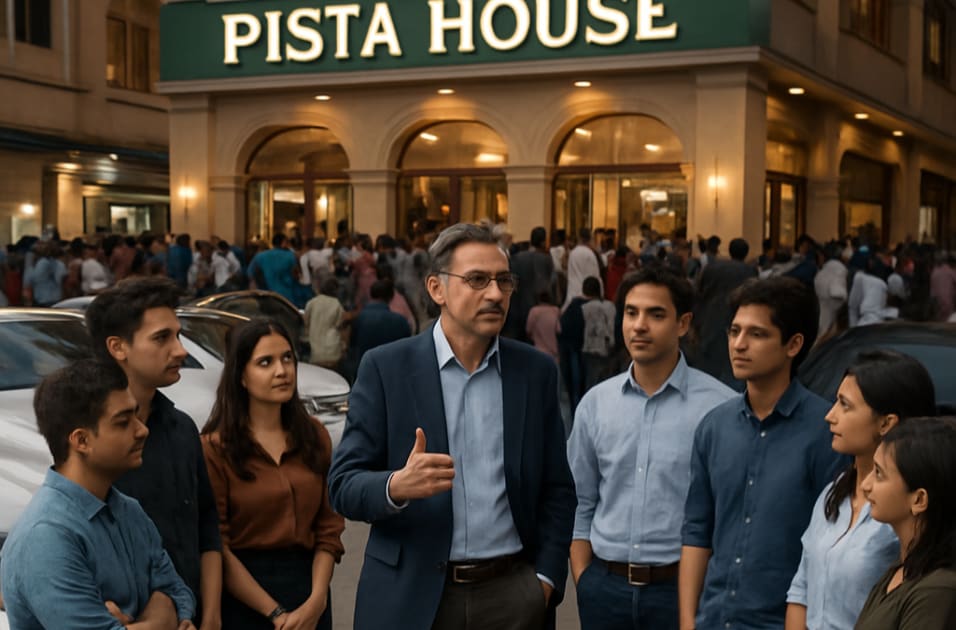
Step into my MBA marketing classroom during any week of the semester, and you’ll witness not rows of passive note-takers, but clusters of energetic students planning focus group scripts, debating cultural nuances, interviewing retail customers, or analyzing firsthand field data. This is no accident. Employers today don’t just need graduates who can recite the Engel-Kollat-Blackwell model or explain the CRM lifecycle—they need managers who can convert theory into action, adapt to ambiguity, and extract real customer insights from the world around them.
Early in my marketing classes, I tell students: “If you want to understand the marketplace, leave the comfort of four walls.” And I mean it. Not one semester passes at Woxsen Univeristy without students conducting interviews amid the bustle of a shopping center, or nervously testing survey scripts in the campus cafeteria. We don’t train marketers to memorize diagrams; we train them to understand people, in all their unpredictability. That is the beating heart of human-centric marketing.
Moving Beyond “Case-Study Comfort”
Consumer psychology and CRM are not “library sciences.” Sure, the theory matters—EKB models, the CRM funnel, perception and motivation. But real understanding starts the moment a student is challenged to decode why a classmate bought a certain brand or how a shopkeeper wins back a lost customer. That learning never comes from a casebook alone.
My classes open with a twist on the typical group project. I set the scene: Diwali is coming, and a pan-India tech brand wants insight into how regional traditions shape smartphone buying. I watch as students debate: Should messaging in Chennai highlight family aspiration or festive gifting? Someone timidly suggests field interviews. The next thing you know, small teams are in local stores, asking real shoppers what Diwali means to their spending. By the time they share results, the group is abuzz with “aha” moments—surprises that no textbook would predict.
Consumer Psychology: Turning Theory into Tangible Impact
The best marketing lessons happen when you hand over the pen. I don’t give out sanitized datasets; I ask students to build their own. One week, they’re filming spontaneous ads for the gym, testing whether “fitter, happier” or “best value on campus” resonates more in their peer group. Another week, they’re face-to-face with respondents, mapping how motivations differ by gender or background.
The data, it turns out, is almost always messier than anticipated. That’s where the coaching begins—wrestling with ambiguity, validating answers, and pushing for clearer hypotheses. By the time we open SmartPLS for real analysis, students are not just following steps, they’re chasing authentic insights.
CRM: Practicing What We Preach
Every MBA marketer reads about loyalty ladders and churn rates; mine calculate them using numbers from businesses down the road. Teams “adopt” a local brand—say, a bookstore fighting to retain college customers. They go in, talk to the owners, observe what’s working, and yes, survey real shoppers. They return with stories (and sometimes surprises), which seed their final strategic plans. Students learn that “engagement” is more than a metric— it's the warmth of a hello, the speed of a complaint resolved, the cleverness of a loyalty perk.
The final CRM strategies aren’t theory dumps. They’re actionable plans, built from street-level observation and data analysis. If my students can explain to a business why a customer left—and persuade them with numbers they’ve gathered themselves—then they’ve truly become practitioners.
Field-First Capstones: Real-World, Not Workshop
By end of term, my classes function more like consulting shops than lecture halls. Teams partner with real companies, unearth consumer pain points, and propose solutions shaped by direct research. Some even get the chance to pitch to executives. I’ve seen hesitant students transform into confident professionals—able to defend their findings, adapt on the fly, and always put the consumer at the center.
What Future Managers Need Most
Ask graduates or recruiters what set them apart. “We could talk to anyone,” a former student told me. “We knew how to listen and how to make sense of muddled feedback.” That human orientation—grounded in real, messy experience—is what makes the difference.
At its core, teaching marketing at Woxsen isn’t about passing exams. It’s about preparing students to enter an unpredictable marketplace, nimble and empathetic, data-smart but always tuned to people’s lives. Because in the thrum of everyday consumer life, the best ideas—and the best managers—are shaped.