Sex in the Kitchen: Rethinking Leadership in a Female-Dominated Culinary World
In today’s workplace, discussions about gender roles often gravitate toward male-dominated industries—tech, finance, or manufacturing. But what happens when we flip the lens and explore how men rise in professions traditionally dominated by women? That’s exactly what I did in this article.
In today’s workplace, discussions about gender roles often gravitate toward male-dominated industries—tech, finance, or manufacturing. But what happens when we flip the lens and explore how men rise in professions traditionally dominated by women? That’s exactly what Nnamdi O. Madichie unpacks in his thought-provoking article, “Sex in the Kitchen: Changing Gender Roles in a Female-Dominated Occupation”, published in the International Journal of Entrepreneurship and Small Business.
My 2013 study stepped into the heat of the kitchen—not just any kitchen, but the professional culinary world, where celebrity chefs, public image, and cultural norms collide. The article provides a conceptual exploration of how gender identity and occupational segregation play out in this unlikely battleground. It shines a spotlight on how male chefs often benefit from the “glass escalator” effect—rising quickly through the ranks despite operating in a supposedly female-dominated profession.
Let’s dig into what this means for leadership, management, and the future of work.
The Culinary Gender Paradox
At first glance, the kitchen may appear to be a female domain. For centuries, women have been associated with home cooking, nurturing, and domesticity. Yet when we step into the professional culinary arena, something interesting happens: men take centre stage.
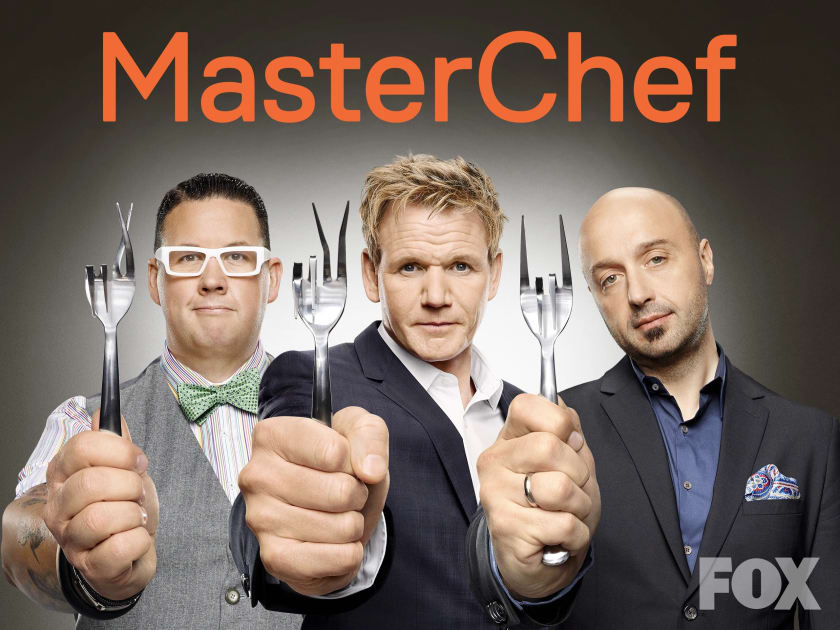
I used celebrity chefs such as Gordon Ramsay and Jamie Oliver to illustrate how media representation transforms male chefs into authoritative culinary figures—meanwhile, their female counterparts (think Nigella Lawson) are often boxed into softer, more aesthetic narratives. This paradox lays the foundation for questioning what it truly means for a profession to be “female-dominated.” Is it about numerical majority or actual power and influence?
The Glass Escalator in the Kitchen
One of the article’s most compelling arguments is the application of the glass escalator—a concept traditionally used to describe how men advance faster in female-heavy industries like nursing or teaching. Does this apply to the professional kitchen too?
Spoiler alert: it does.
Despite kitchens being populated by women at grassroots levels (home cooks, line workers), the leadership titles—Executive Chef, Restaurateur, Celebrity Chef—are often reserved for men. They are paid more, promoted faster, and enjoy stronger media branding. The underlying systems seem to favour male ambition, even in environments where women outnumber men.
Entrepreneurship and Media: Two Sides of the Same Coin
Another important insight the study brings to the table is how entrepreneurship intersects with gender identity. Male chefs, buoyed by media visibility and public perception, often go on to build empires—TV shows, cookbooks, restaurant chains. Their brand becomes synonymous with leadership. This isn’t just about cooking anymore—it’s about entrepreneurial storytelling, where the dominant narrative is male-led, bold, and assertive. Women in the same space often face more scrutiny, limited exposure, or are pigeonholed into "feminine" culinary niches.
So What? Leadership & Management Implications
This isn’t just an academic exercise; it has real-world consequences for leadership and HR teams. My findings force us to question how leadership is defined, perceived, and rewarded in gendered environments. Here are key takeaways for managers and organizational leaders:
Challenge Gendered Stereotypes
Stop assuming kitchens are “female spaces” but leadership roles within them are male. Skills, not gender, should determine who leads.Track and Tackle the Glass Escalator
Are men in your organization advancing faster than women? If yes, dig into why. Use data to drive transparency and equity in promotion pathways.Redefine Leadership
Move beyond assertiveness and visibility as the only markers of leadership. Include empathy, collaboration, and inclusion as core competencies.Promote Diverse Role Models
The media may push certain archetypes, but within your team, you can showcase a variety of leaders. Highlight women, minorities, and non-binary individuals who are breaking the mold.Create Culturally Safe Spaces
Psychological safety is vital. Kitchens, like many workplaces, can become toxic if voices are silenced. Build cultures where everyone feels encouraged to speak, lead, and grow.Support Brand Building for All
Male chefs often benefit from a natural branding advantage. Offer similar branding, mentoring, and visibility opportunities for women and underrepresented employees.
Intersectionality: The Missing Piece
While the study acknowledges ethnicity as a key future research area, it remains underexplored in this article. However, this absence offers a powerful invitation: it’s time to expand gender conversations to include race, class, and culture.
In multicultural and emerging market contexts—such as those explored in my more recent 2024 book chapter— gender roles are shaped by deep-seated cultural values. Leadership models must adapt to this complexity. One-size-fits-all DEI strategies won’t work globally. We need intersectional thinking that honours local identity while pushing for global equity.
Final Thoughts: More Than Just Kitchens
Although the article centres on the culinary world, its implications stretch far beyond. Any profession with a perceived gender dominance—whether teaching, fashion, caregiving, or even sports and events management—must grapple with the same questions:
Who’s really in charge?
Who’s visible?
Who gets to lead?
It’s time for a broader redefinition of leadership, one that acknowledges the quiet bias of the glass escalator, the loud narratives shaped by media, and the silent talents waiting in the wings.
If we want workplaces where everyone can lead, we must first question the assumptions we’ve inherited. Starting with something as familiar—and as complex—as the kitchen, might just be the perfect place to begin.
Tags
Prof Nnamdi O. Madichie
Full Professor of Marketing
Contributor at Woxsen University School of Business