The Fifty Shades of Hues: Color Psychology of Gen Z: Why Purple, Teal, and Barbie Pink Dominate the Internet
Gen Z don’t just use color, they live in them. Scroll through Instagram, TikTok, and Pinterest and you’ll notice three hues repeatedly conquering the screens: Purple, Teal, and Barbie Pink. These aren’t just aesthetic choices; they are emotional codes, identity statements, and symbolic languages.
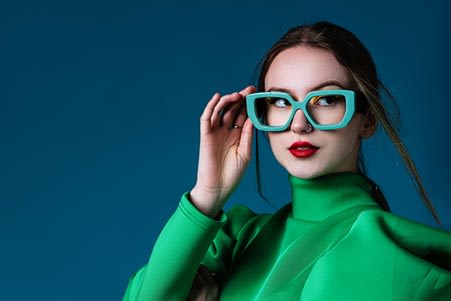
The Fifty Shades of Hues: Color Psychology of Gen Z: Why Purple, Teal, and BarbiePink Dominate the Internet
Gen Z don’t just use color, they live in them. Scroll through Instagram, TikTok, and Pinterest and you’ll notice three hues repeatedly conquering the screens: Purple, Teal, and Barbie Pink. These aren’t just aesthetic choices; they are emotional codes, identity statements, and symbolic languages that mirror Gen Z’s values, behavior, and worldview.
Unlike previous generations that favored neutrals, corporate blues, or classic reds, Gen Z gravitates toward colors that express individuality, empathy, and digital fluency. These colors reflect their psychology—vibrant but introspective, bold yet mindful, playful yet deeply aware.
Why Purple? The Color of Creativity, Intuition, and Digital Spirituality
Purple has historically been linked to royalty and mystery, but for Gen Z, it represents creative freedom, self-expression, and psychological depth. It sits between calm blue and fiery red, embodying the harmony between logic and passion—an emotional duality Gen Z identifies with.
On social media, purple appears in AI aesthetics, meditation content, aesthetic journaling, futuristic branding, and mental health campaigns. Shades like lavender and lilac are popular in digital wellness communities, symbolizing calmness and emotional balance. Deep violet, on the other hand, evokes mystery, imagination, and the unknown, qualities associated with innovation and technological exploration.
Gen Z often describes purple as the “aesthetic of individuality” it is neither too aggressive nor too passive, neither traditional nor chaotic. It represents a safe space for identity exploration, introspection, and self-acceptance, especially in digital spaces where youth express their most authentic selves.
🌊 Why Teal? The Intersection of Calm, Tech, and Emotional Clarity
Teal is the psychological comfort zone for digital natives. A fusion of blue’s stability and green’s renewal, teal evokes balance, mental clarity, and emotional healing.
In a high-anxiety world, characterized by constant digital stimulation, teal offers visual calmness. It is widely used in:
Mental health apps (Headspace, Calm, Wysa)
Personal productivity tools (Notion, Trello, Canva templates)
Wellness brands and lifestyle influencers
Psychologically, teal reduces stress and promotes concentration, making it popular in digital dashboards, UI design, and mindfulness content. Research also shows that teal tones are perceived as trustworthy, friendly, and future-focused, aligning with Gen Z’s desire for authenticity and transparency.
Moreover, teal carries strong technological symbolism. It’s neither cold like corporate blue nor too emotional like pink. It feels fresh, modern, and intelligent—ideal for a generation that craves both emotional wellness and tech sophistication.
💗 Why Barbie Pink? Bold Energy, Feminine Power, and Internet Virality
Barbie Pink—bright, joyful, and unashamedly loud—has been reborn as a symbol of confidence, empowerment, aesthetic maximalism, and digital virality.
Thanks to cultural moments like the 2023 Barbie movie, K-pop culture, Y2K revival, and aesthetic trends like soft girl, coquette, and digital feminine, pink has evolved from a gendered stereotype to a powerful social statement.
For Gen Z, pink symbolizes:
✨ Empowered femininity – not softness, but strength with vulnerability
📢 Attention and visibility – it cuts through the scroll, making content instantly eye-catching
💖 Playfulness and emotional openness – it welcomes joy, humor, romanticism, and nostalgia
Brands such as Glossier, Barbiecore, T-Mobile, and Acne Studios utilize pink to connect emotionally with younger audiences. TikTok themes, pop culture edits, aesthetic shopping hauls, and viral challenges frequently use hot pink overlays to spark engagement.
Pink represents emotional loudness—not in volume, but in clarity. It’s a color of I feel, I exist, I express.
📱 Digital Identity and Color: The Psychology Behind Online Aesthetics
Gen Z uses color not just for decoration, but to craft digital identities and emotional atmospheres. Color becomes a visual language for expressing mood, values, and personal branding.
Platforms amplify this cultural coding:
Instagram: Aesthetic profiles using mood boards dominated by pastels and muted purple tones
TikTok: Pink overlays, Barbiecore filters, teal-toned study blur, purple sparkle edits
Pinterest: Wellness boards in teal, journaling inspiration in lilac, fashion boards in pink
Colors help Gen Z build digital environments that reflect mental states. Instead of asking “how are you feeling?” Gen Z expresses emotion through color palettes.
🎨 Color as a Language of Gen Z Culture
Purple, Teal, and Barbie Pink dominate online culture because they reflect Gen Z’s core values: self-expression, emotional intelligence, inclusivity, digital balance, and empowered individuality. They are not just colors; they are psychological signatures.
Gen Z doesn't simply use color, they design with it, feel with it, and think with it.
Therefore, Color is not just visuals these days, it is identity, therapy, and culture.