Read diverse perspectives and thought-provoking insights from our faculty and students. Share ideas, opinions, and personal experiences in the business world.
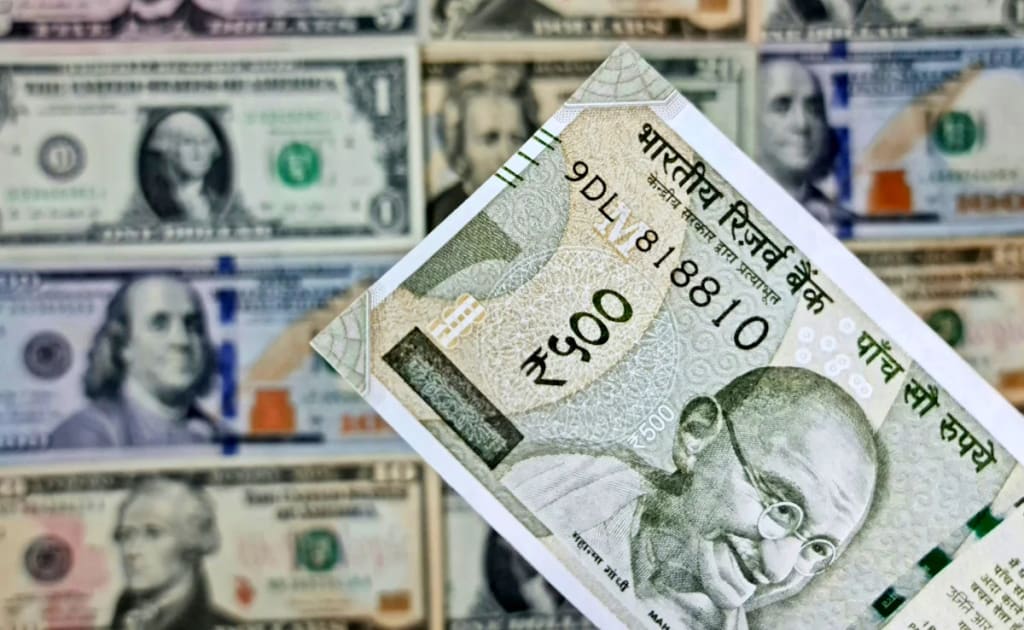
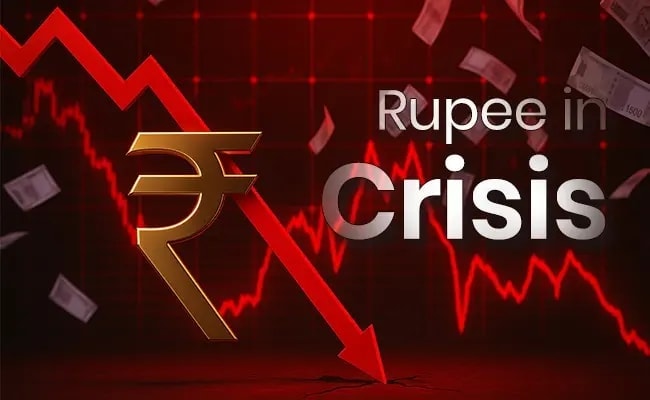
Over the last few weeks, the Indian rupee has witnessed a sharp decline against the US dollar, touching record lows and creating concern across financial markets and ordinary households alike. The rupee’s fall is not merely a technical issue confined to currency traders or economists; it affects all
The exchange rate of a country’s currency is one of the most important indicators of its economic health. The rupee has weakened significantly and crossed ₹96 per dollar on 20 May 2026. This depreciation has generated concern among policymakers, businesses, students, and ordinary citizens alike.
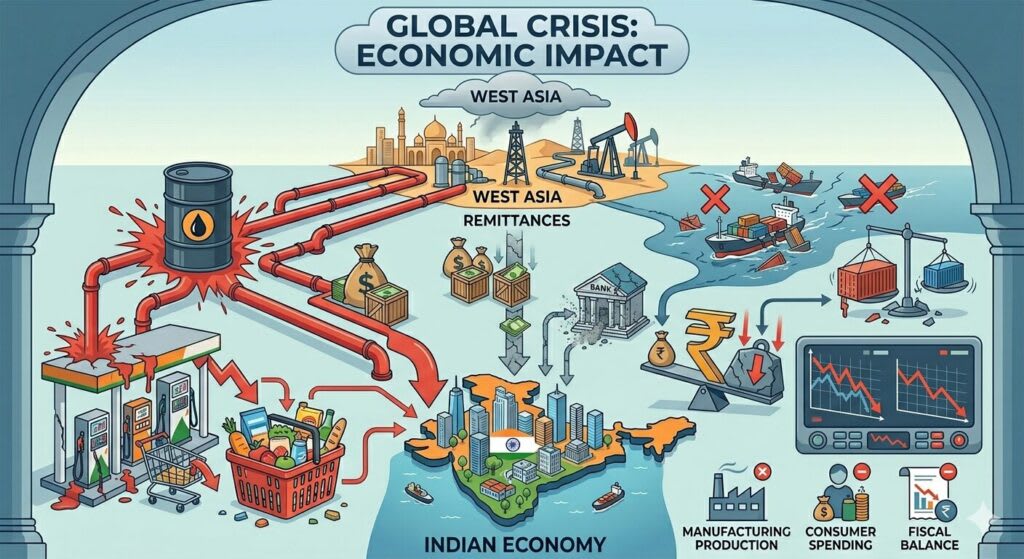
The unfolding conflict in West Asia has once again underscored a recurring truth of global political economy: that regional instability in energy-rich geographies has far-reaching consequences, extending well beyond the immediate effects of conflict.
The war in Ukraine, which began on 24 February 2022, has altered far more than the geography of Eastern Europe. It has rearranged global energy markets, unsettled financial hierarchies, and placed countries like India at the centre of a new geopolitical equation.
The Indian rupee (INR) has been under sustained pressure against the United States dollar (USD), recently breaching record lows and hovering near critical psychological and economic thresholds. In early 2026, the currency approached approximately ₹92 per dollar, the weakest in its trading history.
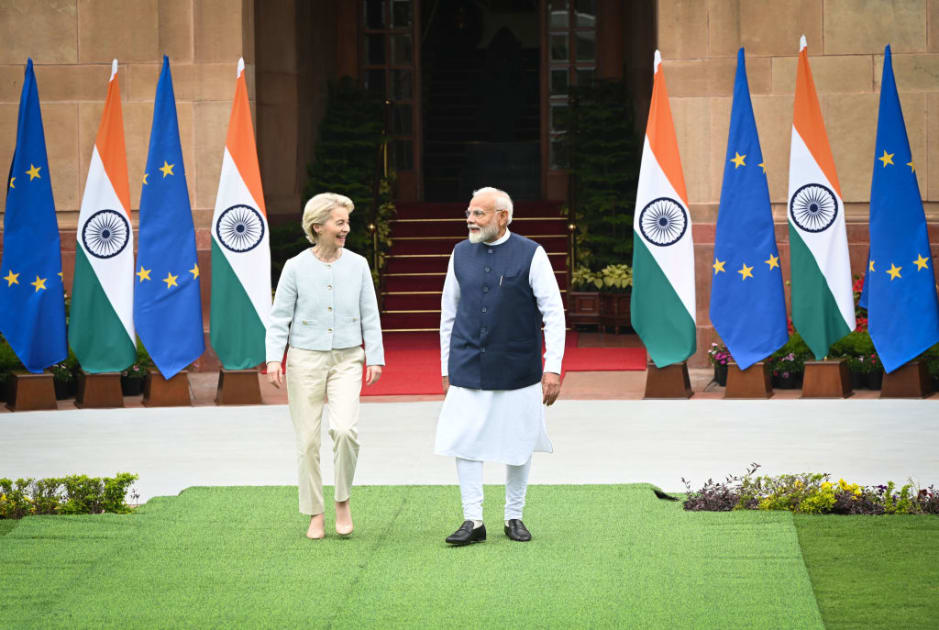
The European Union (EU) and India are two of the world’s largest and most influential economic entities. Together, they account for a substantial share of global population (2 billion), output (24 trillion), trade, and investment flows.
The Russia-Ukraine conflict (since February 2022) has triggered significant disruptions in global energy markets, compelling nations to reconsider their supply chains, pricing strategies, and geopolitical alignments.
India has become the fourth largest economy in the world with 4.2 trillion dollars surpassing Japan few months ago. The current economic challenges in India include: the possible adverse impact of the American 50% tariffs on exports, may lead to concerns about the Current Account Deficit.